
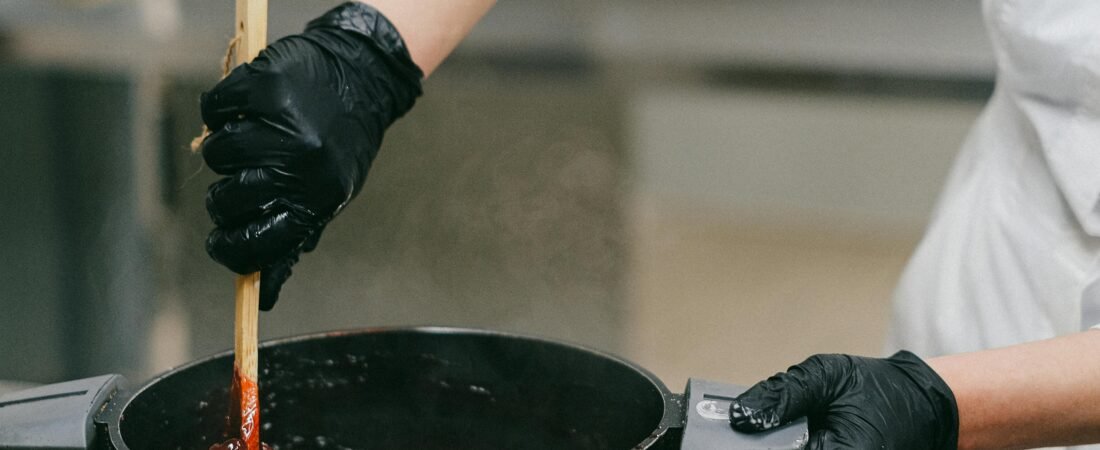
Affiliate Disclosure: YourGourmetGadgets.com participates in the Amazon Services LLC Associates Program. We earn a small commission on qualifying purchases at no extra cost to you.
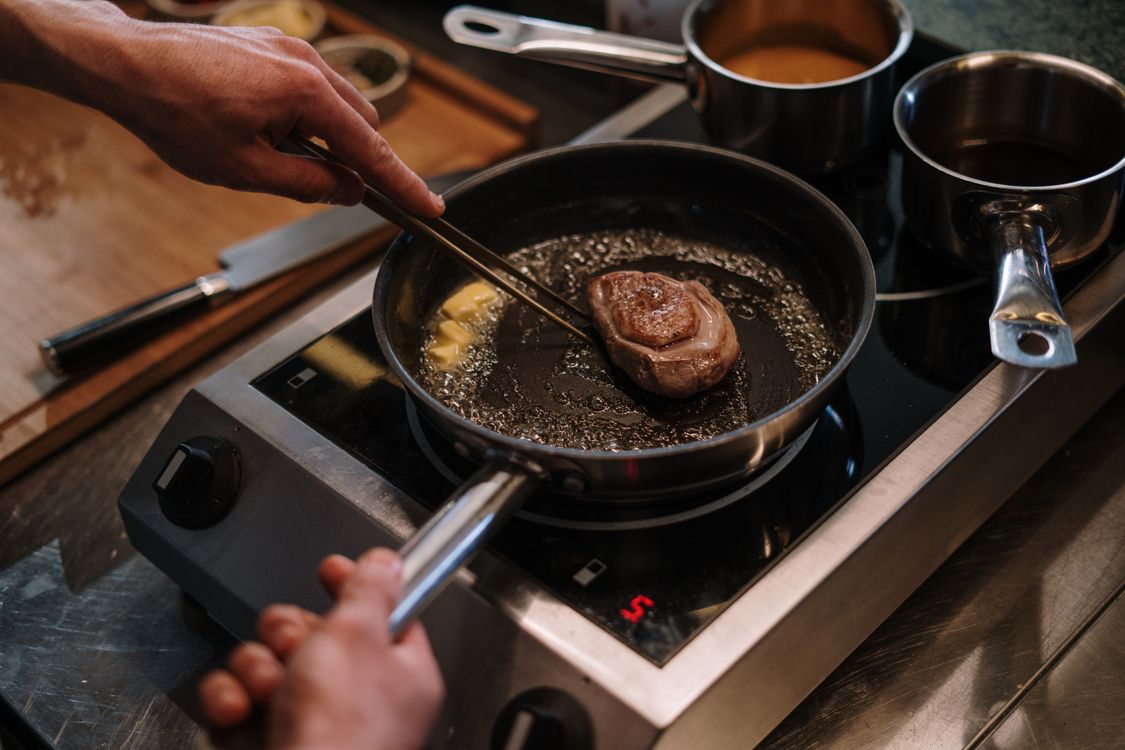
Here is a kitchen truth nobody puts on a recipe card: the recipe is rarely what is holding your food back. Two cooks can follow the same instructions to the letter and end up with completely different plates. The gap between flat and unforgettable usually traces back to a handful of cooking techniques that instantly improve your food — small craft moves like searing on a screaming-hot surface, salting from height, finishing with fresh zest, or letting a roast rest on a wire rack instead of in its own steam.
The good news? Each technique pairs with one tool that makes it almost foolproof. Below you will find seven of those moves, each matched to an Amazon pick we trust. Every product was vetted for current availability and ASIN-verified, then linked with our affiliate tag so you can grab whichever one fills the gap in your kitchen. Tap any of the round link bubbles next to a product to jump straight to the Amazon listing.
Cooking Techniques That Instantly Improve Your Food: 7 Picks at a Glance
| Technique | Tool That Nails It | Tier |
|---|---|---|
| High-heat searing | Lodge 12″ Carbon Steel Skillet | $ |
| Pulling meat at the right temp | Lavatools Javelin PRO Duo | $$ |
| Salting from height | Totally Bamboo Salt Cellar | $ |
| Cracking fresh peppercorns | Peugeot Paris u’Select Mill | $$$ |
| Finishing with zest & aromatics | Microplane Premium Classic | $ |
| Hand-pounding spice pastes | ChefSofi Mortar & Pestle | $$ |
| Roasting on a wire rack | Nordic Ware Sheet + Grid | $$ |
1. Sear at Real High Heat — Lodge 12″ Carbon Steel Skillet
🔥 The crust technique pros use every shift
Searing is the technique most home cooks fake. They drop a chicken thigh into a barely warm pan, watch it leak gray water for ten minutes, and wonder where the restaurant flavor went. The fix is not a fancier ingredient — it is a pan that hits 450°F and stays there when cold food lands on it. That is exactly what carbon steel does.
The Lodge 12-inch is heavier than stainless, lighter than cast iron, and pre-seasoned out of the box. Heat it dry for four or five minutes, add a thin film of high-smoke-point oil, then lay your protein down. You will hear an aggressive sizzle within a second — that sound is the Maillard reaction, and it is what gives food the deep brown crust that screams “made by a chef.” The pan also handles eggs once it builds patina, doubles for stovetop-to-oven roasts, and holds up to a campfire if you want to take it outside.
Pros:
- Hits and holds searing heat without warping
- Pre-seasoned with vegetable oil — usable on day one
- Lighter than cast iron at the same diameter
- Includes silicone hot-handle holder
Cons:
- Hand-wash only, then oil to maintain seasoning
- Reactive to acidic ingredients during long simmers
If you are already team cast iron, our breakdown of cast iron vs stainless steel will help you decide which lives on your stovetop. And if food keeps sticking to whatever pan you use, this how-to-stop-food-from-sticking guide is worth bookmarking.
2. Pull Your Meat at the Right Temperature — Lavatools Javelin PRO Duo
🌡️ 2-second readings, ±0.9°F
Almost every overcooked piece of meat comes from one bad habit: guessing. The poke test is unreliable, the “it looks done” test even more so, and by the time juices run clear you have already crossed the line into shoe leather. A good instant-read thermometer eliminates the math — you stab, you read, you pull.
The Lavatools Javelin PRO Duo lands a temperature in 2 to 3 seconds with the kind of accuracy normally reserved for $100 thermometers. Get this: the auto-rotating backlit display flips depending on which hand you hold it in, the IP65 splatter-proof body shrugs off rinsing, and a single battery lasts roughly 4,000 hours of cook time. For chicken (165°F), pork chops (140°F), or a medium-rare ribeye (128°F before resting), this single tool ends a decade of dry-meat regret.
Pros:
- 2–3 second response with ±0.9°F accuracy
- Auto-rotating backlit display reads from any angle
- Stabilization beep tells you when the reading settles
- IP65 water-resistant for grill duty
Cons:
- Step up in price from a $15 ThermoPro
- Foldout probe is corded, not wireless
Considering a wireless probe instead? Our take on whether you actually need a wireless meat thermometer walks through when each style earns its keep.
3. Season From Height — Totally Bamboo Salt Cellar
🧂 Even seasoning, no clumps, one-handed lid
Watch any line cook on a busy night. They reach into a small open vessel, grab a pinch of kosher salt between three fingers, and rain it down from about a foot above the food. That “from height” technique is not theatrics — it is how you get even coverage instead of one salt mountain in the middle of a chicken breast.
A salt cellar replaces a hard-to-reach shaker with something a pinch can actually drop into. The Totally Bamboo holds 6 ounces, swivels open with one hand thanks to a magnetic-catch lid, and looks at home next to the stove without screaming “Amazon find.” Bamboo also breathes — meaning your kosher or flaky finishing salt stays loose instead of cementing into one block during a humid week.
Pros:
- One-handed magnetic swivel lid
- Bamboo wall keeps salt dry and free-flowing
- Looks countertop-presentable, not industrial
- Works for sea salt, kosher salt, sugar, or finishing flakes
Cons:
- Wood — wipe clean, no soaking
- 6 oz capacity fills up faster than a 10 oz pig
4. Crack Pepper Fresh, Not From a Tin — Peugeot Paris u’Select Pepper Mill
⚙️ 6-position grind dial, lifetime mechanism
Pre-ground pepper is the McDonald’s coffee of seasoning. Once the peppercorn is crushed, the volatile aromatics start vanishing within minutes — what you find in a tin three months later is a brown shadow of the real thing. Crack it fresh and a steak suddenly tastes like a steakhouse steak. A salad dressing actually has bite. Cacio e pepe, frankly, becomes worth making at all.
Peugeot has been engineering pepper mills in France since 1874, and the Paris u’Select is the one Michelin kitchens choose. The two-stage steel mechanism cracks each peppercorn first, then grinds it to whatever coarseness you dial in — six positions, from powder-fine for emulsified dressings up to crackling-coarse for steaks. The mechanism is guaranteed for life. You will replace the wood before you replace the works.
Pros:
- Six pre-set grind sizes from powder to coarse
- Lifetime warranty on the steel mechanism
- Two-stage cracker preserves volatile oils
- Sustainable PEFC-certified beechwood body
Cons:
- Premium price for a pepper mill
- Pepper-only — do not load with salt or seeds
5. Finish With Fresh Zest and Aromatics — Microplane Premium Classic
🍋 The 30-second upgrade chefs love
Hand a chef one tool to take home and they will pick a Microplane more often than a knife. Why? Because zest, fresh garlic, and grated parmesan are the easiest finishing flourishes in cooking, and the Microplane turns three-second work into restaurant-grade results. A dusting of lemon zest on roasted broccoli takes it from healthy-side-dish to dinner-party-worthy. A whisper of grated garlic stirred into pasta after the heat is off — not before — tastes nothing like minced garlic that simmered in oil for ten minutes.
The Premium Classic uses photo-etched surgical steel teeth, made in the USA. It glides across rind, ginger, nutmeg, hard cheese, and chocolate without grabbing or tearing. The soft handle and non-scratch end tabs let you grate directly over a bowl without slipping. Heads up: when zesting citrus, take only the colored layer and stop short of the bitter white pith underneath.
Pros:
- Photo-etched USA-made stainless blade
- Glides through rind, ginger, garlic, hard cheese
- Soft handle, non-scratch end tabs, blade cover
- Dishwasher safe (hand-wash extends sharpness)
Cons:
- Single-purpose blade — not a box-grater replacement
- Sharp edge means store with the cover on
Wondering which kind of fine grating tool actually belongs in your drawer? See our head-to-head Microplane vs grater comparison.
6. Pound Spice Pastes by Hand — ChefSofi Granite Mortar & Pestle
🪨 Heat-free crushing keeps oils alive
Here is the dirty secret about food processors and electric grinders: they generate heat as they spin. That heat oxidizes the volatile oils in herbs and spices, dulling the flavor before the paste even hits the pan. A mortar and pestle works at zero RPM — it bruises and crushes instead of slicing — and the result is a basil pesto, a Thai curry paste, or a guacamole with depth no blender can copy.
The ChefSofi 1.5-cup is unpolished granite on the inside (rough enough to grip ingredients) and polished black on the outside (good-looking enough for the counter). The 2-pound weight stays put while you work, the rounded pestle bottom catches every herb leaf instead of pushing it up the wall, and seasoning the bowl takes about ten minutes with a little raw rice. After that you have a tool your grandkids could inherit.
Pros:
- Unpolished interior grips ingredients for fast crushing
- Heavy enough to stay still, light enough to lift
- No heat means full flavor extraction from oils
- Works for guacamole, pesto, curry paste, dry rubs
Cons:
- Needs a one-time rice-grinding seasoning
- Hand-wash only, no soap soak
7. Roast on a Wire Rack — Nordic Ware Half Sheet + Oven-Safe Grid
♨️ Air around your food, not steam under it
If you have ever roasted chicken thighs and ended up with a soggy bottom and crispy top, the technique you are missing is elevation. When food sits flat on a sheet pan, the bottom half stews in its own released moisture — the opposite of a crisp roast. Lift it onto a wire rack and 360-degree airflow does what the oven was always supposed to do.
The Nordic Ware Naturals half-sheet is the same heavy-gauge aluminum pan most professional kitchens stock, and the matching nonstick grid nests right inside. Use the rack-and-pan combo for oven-fried chicken wings, bacon that drains as it cooks, sheet-pan dinners that brown on every side, or thanksgiving turkey breasts that emerge with a shatter-crisp skin. The pan can also be used solo for cookies, sheet cakes, and roasted vegetables — reliable workhorses both.
Pros:
- Made in USA from heavy-gauge aluminum
- Encapsulated steel rim resists warping at high heat
- Oven-safe nonstick grid lifts food above drippings
- Doubles as cooling rack for cookies and breads
Cons:
- Aluminum can react with acidic foods over long roasts
- Hand-wash recommended to keep finish bright
How to Apply These Cooking Techniques That Instantly Improve Your Food
Start with the technique that fixes your biggest weakness
If your steaks come out gray on the outside, fix searing first. If they come out chalky-dry inside, the thermometer is your win. Pick the technique that addresses the dish you most often disappoint yourself with — that single change will deliver the biggest jump in eating quality you have ever felt from a kitchen purchase.
Heat is more important than cookware
A $400 pan run at the wrong temperature still ruins a steak. Get used to preheating cookware longer than feels reasonable — a full four to five minutes for carbon steel or cast iron — before any food touches the surface. Drops of water should ball up and dance, not flatten and steam.
Salt early, season late
Kosher salt belongs on raw protein at least 40 minutes before cooking, ideally several hours, so it has time to dissolve and penetrate. Pepper, zest, and finishing flakes belong at the end, after the heat is off. Mixing those two timings is the most common seasoning mistake in home kitchens.
Acid balances everything
If a finished dish tastes “flat,” the missing piece is almost always acid — a squeeze of lemon, a splash of vinegar, or a strip of citrus zest grated right at the table. The Microplane is the easiest way to add this on demand without opening a bottle. Try it tonight on roasted vegetables; the difference is startling.
Rest the meat, even when you cannot wait
A 1-inch chicken breast or pork chop needs about three minutes of resting time to redistribute juices. A thick steak needs eight to ten. Cutting too early sends those juices onto the cutting board instead of into your mouth. Pair this technique with the wire rack: meat that rests on a rack does not stew in its own steam.
🏁 Our Final Verdict
If you are starting from scratch, buy the Lodge 12-inch carbon steel skillet and the Lavatools Javelin PRO Duo first. Together they cost less than a single nice dinner out, and they will fix the two biggest sources of disappointing home meals: weak heat and overcooked protein. Add the Microplane third — it is the lowest-effort flavor boost on this list.
Serious cooks should layer in the Peugeot pepper mill and the ChefSofi mortar & pestle next, both of which transform pantry staples into restaurant-level seasoning. The Nordic Ware sheet-and-grid and the Totally Bamboo salt cellar are the daily workhorses that quietly improve every meal you cook on autopilot.
Frequently Asked Questions
Which cooking techniques that instantly improve your food matter most for beginners?
Beginners get the biggest wins from three techniques: preheating a pan to actual searing temperature, pulling protein off the heat by thermometer instead of guess, and salting from height. Master these three and the rest of your skills compound on top of them.
Do I really need both a salt cellar and a pepper mill?
Yes — they solve different problems. A salt cellar makes pinch-and-rain seasoning natural, while a pepper mill keeps volatile oils intact until the moment they hit your food. Pre-ground pepper has lost most of its flavor within weeks of grinding.
Is carbon steel better than cast iron for searing?
Carbon steel heats faster and weighs less than cast iron, but cast iron retains heat slightly better once hot. For most home stovetops, carbon steel wins on responsiveness; for a slow restaurant-grade sear, cast iron has a small edge. Either beats stainless or nonstick at this job.
How fine should I grind my pepper for different dishes?
Use the finest two settings for emulsified dressings, soups, and finishing eggs. Use medium settings for everyday cooking, table seasoning, and pasta dishes. Use the coarsest two for steak crusts, brines, and any recipe where you want to actually taste the pepper, not just smell it.
Can a Microplane replace my box grater?
No, and it should not try. A Microplane is a finishing tool for zest, hard cheese, garlic, ginger, and nutmeg. A box grater handles bulk shredding for cheddar, potatoes, or carrots. Most kitchens benefit from owning both; they cover non-overlapping work.
How long should meat rest after roasting on a wire rack?
Roughly 5 minutes for chicken parts, 10 minutes for whole roasts and thick steaks, and 15 to 20 minutes for whole birds or large prime ribs. The wire rack helps even further by keeping the underside dry while the meat rests.
Are these tools worth it if I only cook a few times a week?
The thermometer, salt cellar, and Microplane pay off even for once-a-week cooks — they cost little and remove guesswork. The pan, mortar, and sheet-pan combo make more sense once you cook three or four times a week, since they earn their counter space through repetition.
As an Amazon Associate, YourGourmetGadgets.com earns from qualifying purchases. Prices are subject to change — always confirm current pricing on Amazon before purchasing. For more upgrades to your kitchen workflow, browse our genius cooking tools that save you time roundup, our guide to everything you need to start cooking at home, or our list of kitchen tools you are overpaying for if you would rather spend less and still cook better.

I’m Nick F., the founder and lead tester behind Gourmet Gadgets. I’ve spent the last five years buying, using, and putting kitchen gear through its paces in my own home kitchen — from $20 vegetable choppers to high-end blenders and cast-iron skillets — and I started this site because I got tired of “best of” lists written by people who clearly never opened the box.
Cooking has been part of my daily life for much longer than five years. I’m a self-taught home cook who feeds a family, meal-preps every week, and treats the kitchen like a workshop. That hands-on routine is what shapes every recommendation here: I only write up gear after I’ve actually lived with it long enough to know what breaks, what lasts, and what’s worth your money.
Have a question or a product you’d like me to test? Get in touch via the contact page.