⚠️ Affiliate Disclosure: YourGourmetGadgets.com participates in the Amazon Services LLC Associates Program. We earn a small commission on qualifying purchases at no additional cost to you. Every product here was selected on its own merits.
Most people who want to build confidence in the kitchen assume they need more recipes, better technique, or some hidden talent they were born without. That’s almost never the real problem. What actually holds beginners back is uncertainty — the nagging “is this done?” while the chicken sits on the cutting board, the sinking feeling when a sauce breaks, the panic of guessing how much salt counts as a teaspoon. Confidence grows when guesswork shrinks. The seven tools below were chosen because each one swaps a moment of doubt for a clear, reliable answer, which is exactly how nervous cooks turn into capable ones.
None of these picks are flashy gadgets, and that’s deliberate. They’re the workhorses chef-school instructors hand to first-week students, the ones America’s Test Kitchen keeps recommending after years of head-to-head testing. Each ASIN was checked at the time of writing, but Amazon listings shift quickly — give them a quick look before checkout.
Jump to a Section
- Quick Comparison Table
- 1. Instant-Read Thermometer (Doneness, Settled)
- 2. Digital Kitchen Scale (Recipes That Actually Work)
- 3. Sharp Chef’s Knife (Safer, Faster, Calmer)
- 4. Enameled Dutch Oven (One-Pot Wins)
- 5. Measuring Cups & Spoons (No More Guessing)
- 6. A Real Cutting Board (Workspace, Not a Cracker)
- 7. Forgiving Nonstick Pan (Eggs Without Tears)
- How to Pick Your First Set
- FAQ
- Final Verdict
Quick Comparison Table
| Tool | Best For | Why Beginners Need It | Price Tier |
|---|---|---|---|
| ThermoPro TP19H | Doneness | Ends “is it cooked?” anxiety | $ |
| Escali Primo Scale | Baking & precision | Recipes work the same way every time | $ |
| Victorinox Fibrox 8″ Chef’s Knife | Daily prep | Sharp blade = safer cuts, less effort | $$ |
| Lodge 6-Qt Dutch Oven | Soups, braises, no-knead bread | One pot, hard to mess up | $$$ |
| OXO 8-Pc Stainless Measuring Set | Recipe accuracy | Removes “about a teaspoon” stress | $ |
| OXO Utility Cutting Board | Prep workspace | Stable, large, knife-friendly | $ |
| OXO Good Grips 12″ Nonstick | Eggs, fish, weeknight dinners | Forgiving while you learn heat control | $$ |
1. ThermoPro TP19H Instant-Read Thermometer — Doneness, Settled
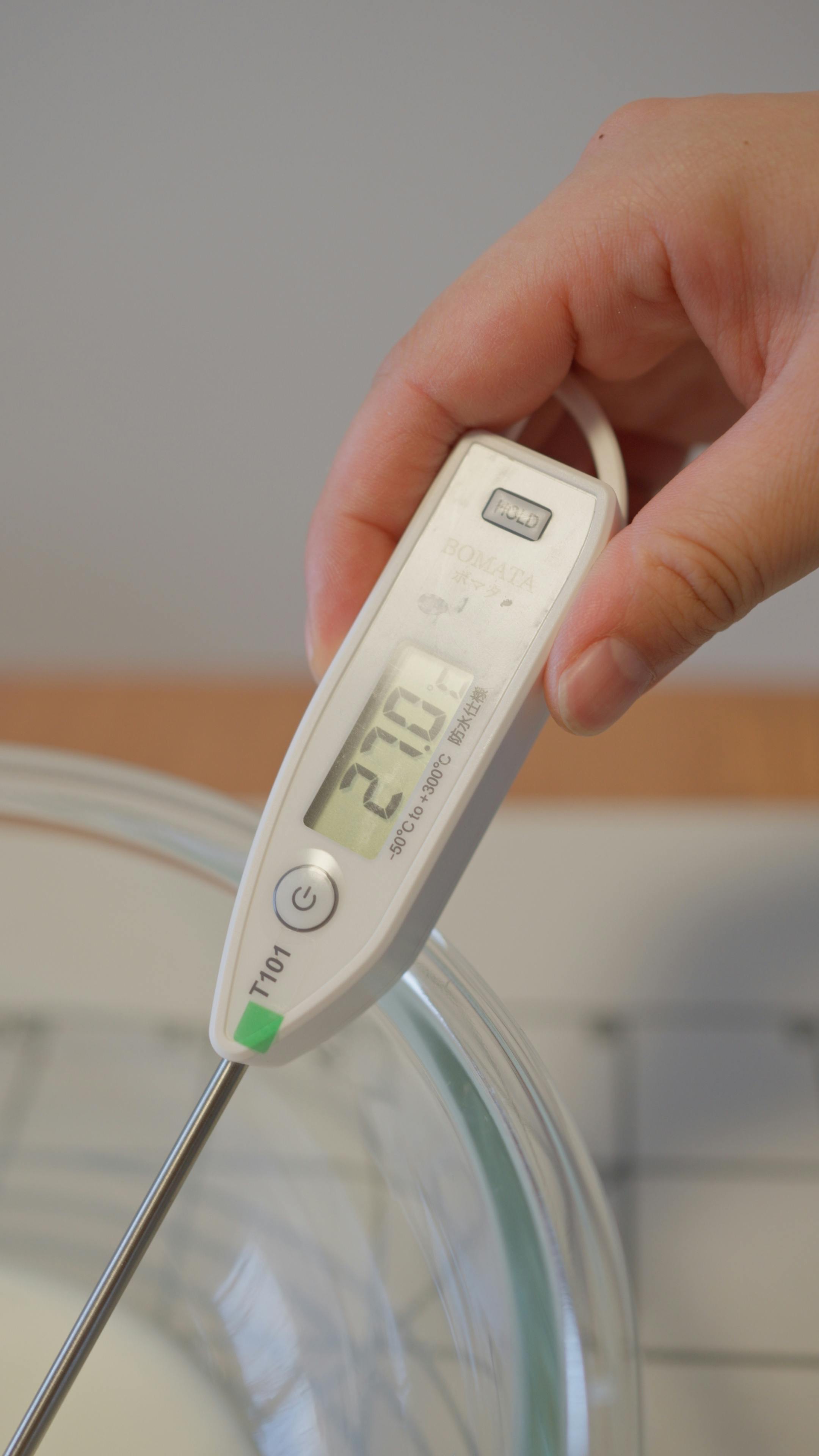
If a single tool can build confidence in the kitchen overnight, this is it. New cooks panic about undercooked chicken or dried-out steak because they’re guessing — slicing into a breast, eyeballing the pinkness, hoping for the best. A 1-second instant-read kills that loop. Insert the probe, see 165°F, plate the food. The TP19H reads in 2–3 seconds, holds accuracy within ±0.9°F, and the foldaway probe lights up the moment you flip it open.
Beyond meat, this thermometer turns into a sleeper hero for everything else: oil for frying (370°F before you drop in the chicken), water for proofing yeast (between 100°F and 110°F), the internal temp of bread (210°F means it’s done), and even tempering chocolate if you ever go down that road. If you grill a lot, a wireless probe might also be worth a look, but the TP19H covers 95% of weeknight situations.
Pros: Fast, accurate, waterproof, magnetic back sticks to the fridge, motion-sensing on/off saves the battery.
Cons: Single probe (no leave-in monitoring), needs an AAA battery.
2. Escali Primo Digital Kitchen Scale — Recipes That Actually Work
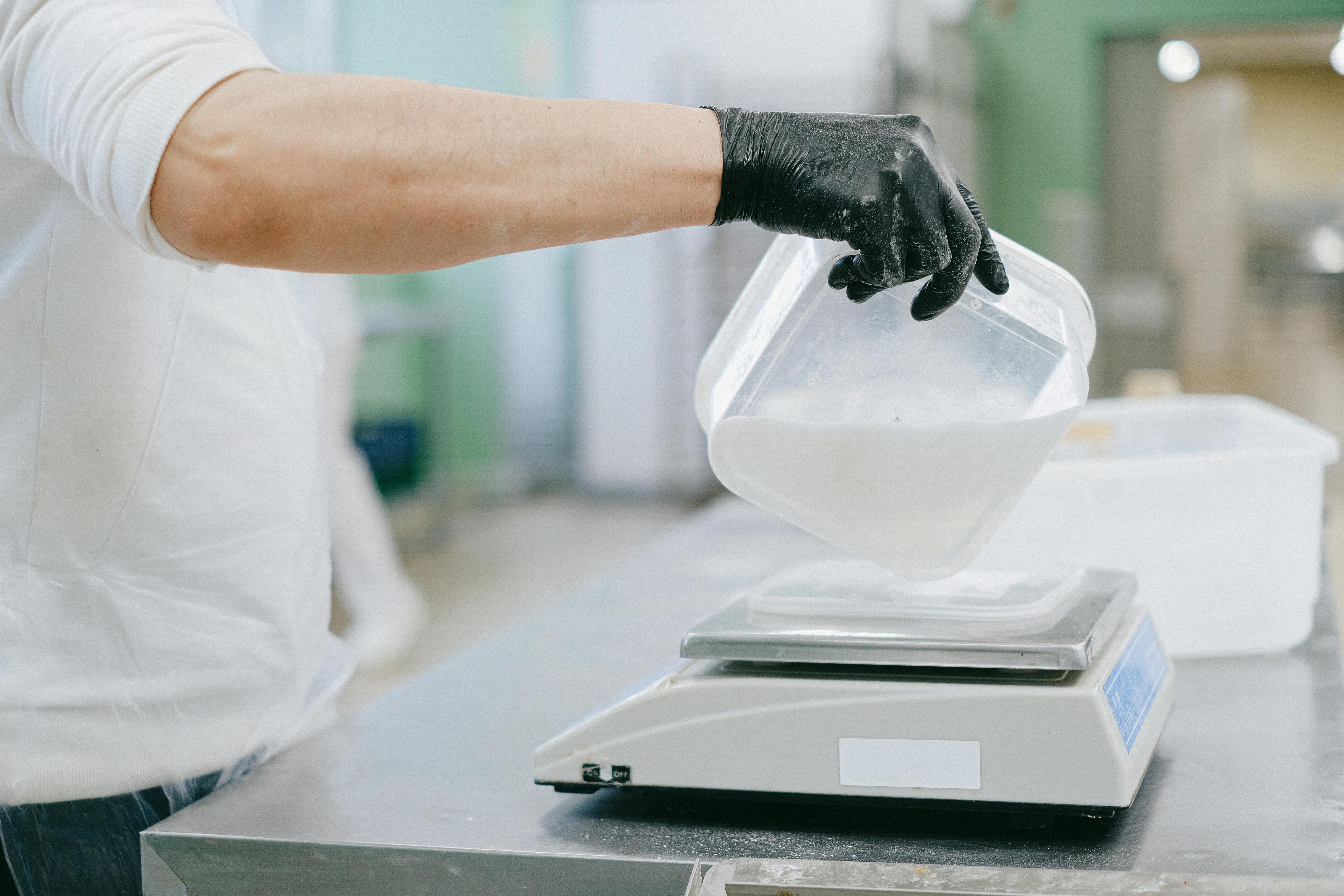
Cup measurements lie. A “cup of flour” can swing from 120g to 170g depending on whether you scooped, packed, or fluffed it — which is why your cookies sometimes spread into pancakes and other times stay tight and chewy. A scale eliminates that variable in three seconds. Weigh the flour, weigh the butter, hit tare between each one, and the recipe behaves. Bakers swear by this tool because the difference shows up immediately.
The Escali Primo earned its reputation by getting the basics right: it weighs up to 11 pounds in 1-gram increments, switches between grams and ounces with one button, and runs on two AA batteries that last forever. The platform is wide enough for a mixing bowl. As a bonus, the lifetime warranty means if it ever quits, you get a new one. We dug into whether scales are truly necessary for home cooks here — short version: yes, especially for baking.
Pros: Reliable, durable, simple two-button operation, lifetime warranty, accurate to 1 gram.
Cons: Plastic body (not glass), no built-in timer.
3. Victorinox Fibrox Pro 8″ Chef’s Knife — Safer, Faster, Calmer Prep
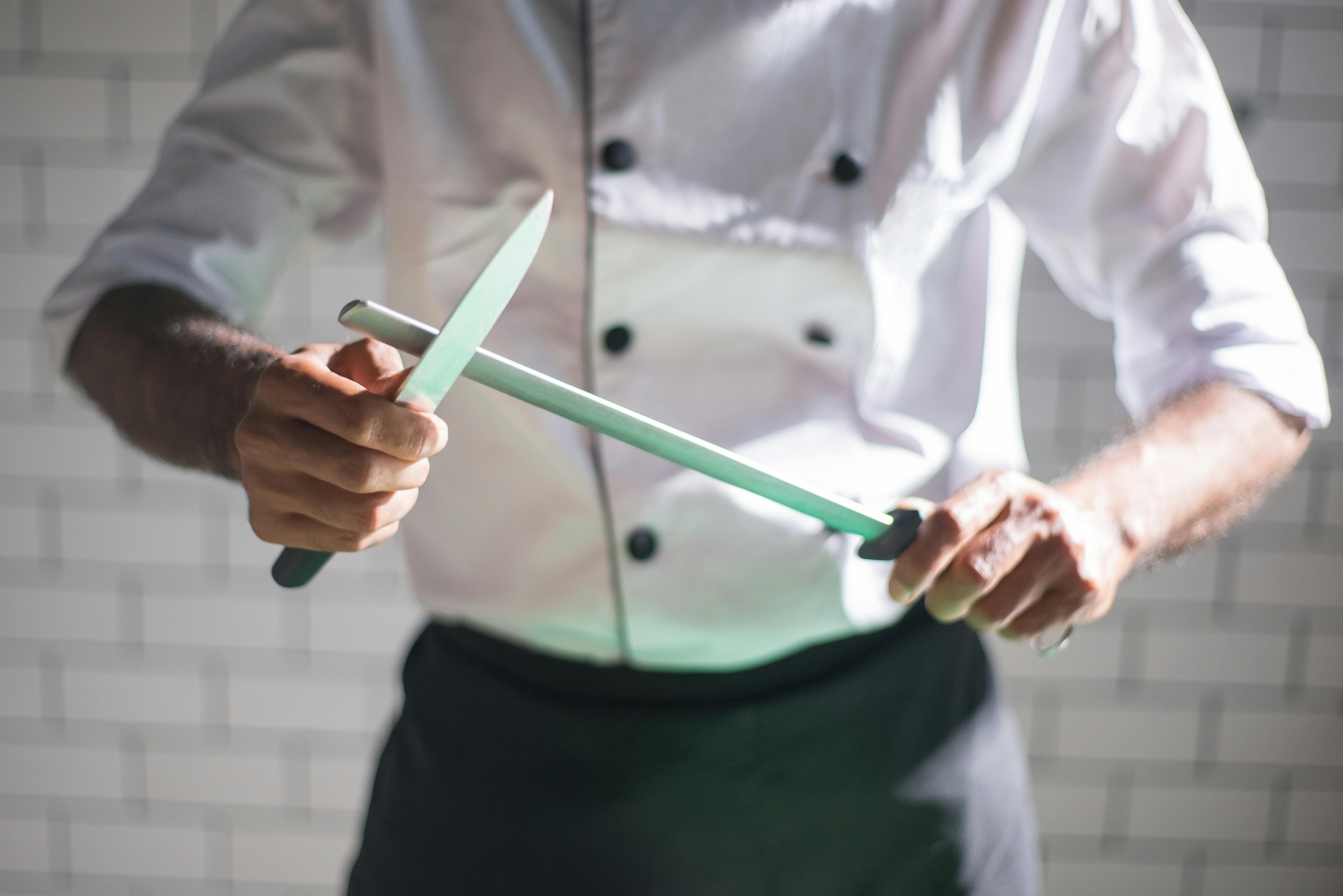
A dull knife is the single most dangerous thing in any beginner kitchen. When the blade slides off an onion instead of cutting through it, that’s when fingers get nicked. The Victorinox Fibrox Pro has been Cook’s Illustrated’s recommendation for two decades because it’s sharp out of the box, holds an edge, and feels balanced enough for someone who has never owned a real knife. At its price, it costs less than dinner for two — yet it’ll handle every cut you throw at it for years.
The non-slip Fibrox handle was designed for restaurant kitchens, where wet hands are constant. That same grip helps a beginner who’s still figuring out the rocking motion. Cuts get smoother, prep gets quicker, and dinner stops feeling like an obstacle course. If you want a deeper rabbit hole on knives, our beginner-vs-pro knife set guide breaks down what’s actually worth your money.
Pros: Razor-sharp from day one, NSF-certified, comfortable for any hand size, dishwasher safe, lifetime warranty.
Cons: Stamped (not forged) blade — lighter feel some pros prefer to skip.
4. Lodge 6-Quart Enameled Dutch Oven — One-Pot Wins
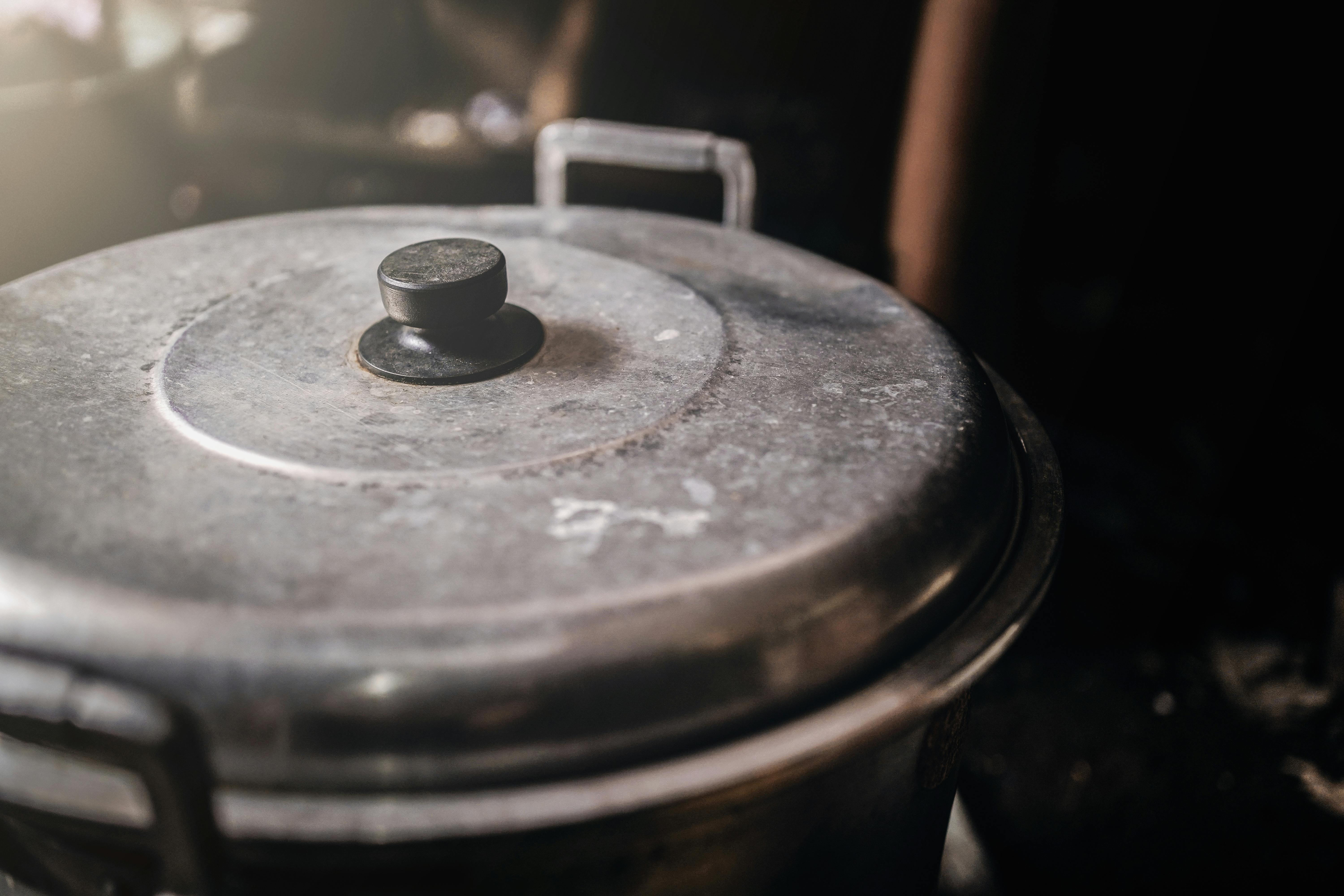
Few pieces of cookware deliver more wins-per-effort than a Dutch oven. Brown an onion, dump in chicken stock and beans, slide the lid on, and walk away — that’s chili. Sear short ribs, add red wine, braise for two hours — that’s a Sunday roast. Toss in a no-knead dough at 450°F — that’s bakery-quality bread. The cast iron holds steady heat, the enamel cleans up easily, and the heavy lid traps moisture so meals practically cook themselves.
Lodge built its reputation on cast iron made in Tennessee, and while their enameled line is manufactured in China to their specs, it performs alongside French brands at a third of the cost. The 6-quart size hits the sweet spot for a family of four with leftovers. Once you own one, weeknight cooking gets dramatically less stressful, because most one-pot recipes are forgiving by nature. Curious how enameled cast iron stacks up against other cookware materials? We broke it down here.
Pros: Goes from stovetop to 500°F oven, no seasoning required, gorgeous enough to serve from, PFOA/PTFE-free.
Cons: Heavy (around 13 lbs full), enamel can chip if banged.
5. OXO Good Grips 8-Piece Stainless Measuring Set — No More Guessing
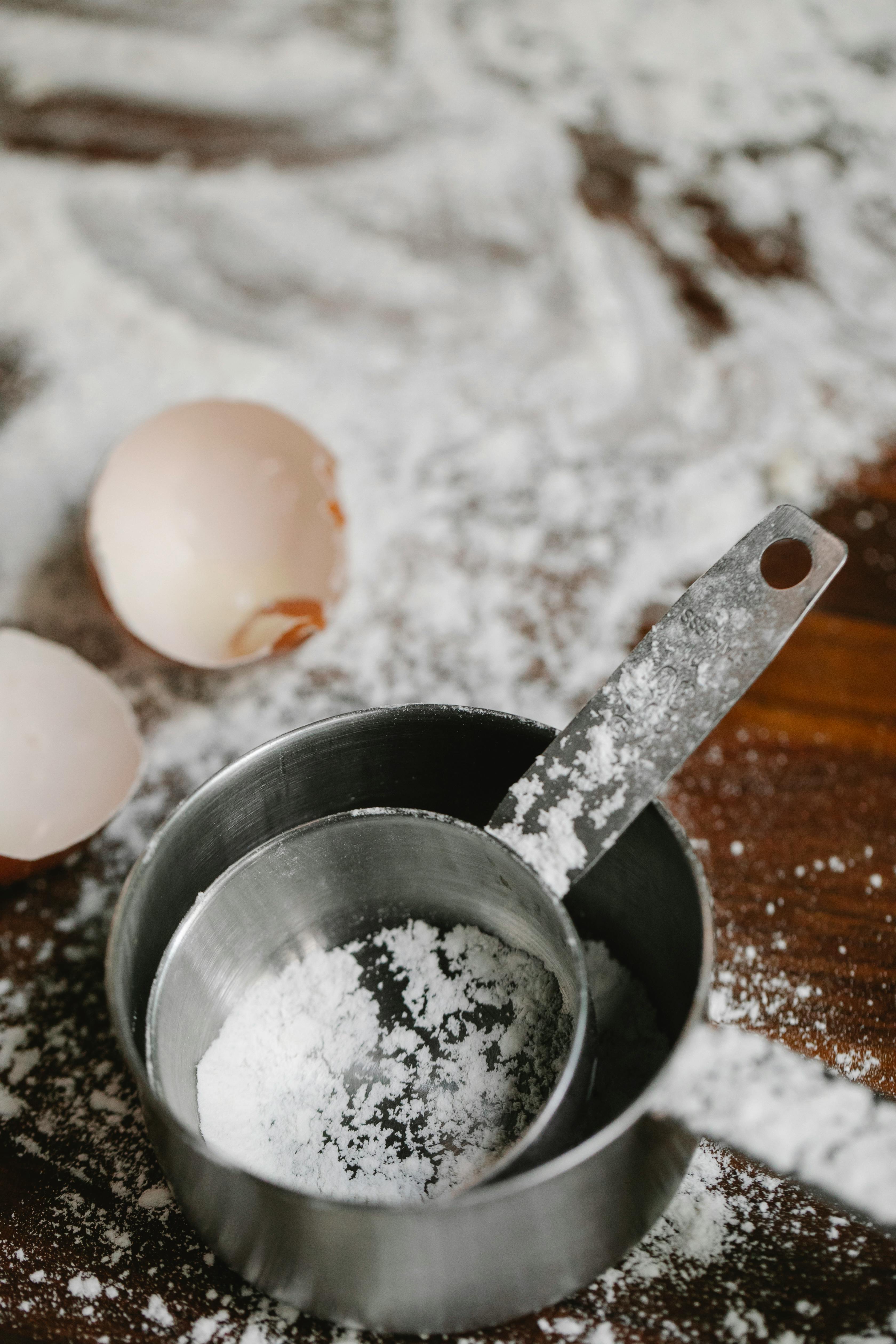
Beginners often try to measure with whatever spoon is in the drawer. Then the recipe falls apart and they blame themselves. Real, dedicated measuring tools fix that overnight. This OXO set runs from 1/4 teaspoon up to 1 cup, snaps together magnetically so you stop losing the 1/3 cup, and uses etched markings that won’t wear off in the dishwasher. Stainless steel handles feel solid in the hand and won’t bend like cheap plastic ones.
While digital scales handle baking precision better, dry measuring cups still earn their place for everyday cooking — rice, oats, chopped nuts, anything you’d rather scoop than weigh. Pair this set with the scale above and you’ve covered every measurement scenario a recipe will ever throw at you. The leveling feels intuitive, the magnets are surprisingly satisfying, and the whole thing fits in a drawer.
Pros: Magnetic nesting saves drawer space, etched markings stay legible forever, comfortable handles, dishwasher safe.
Cons: Missing a 3/4 cup measure, slightly heavier than plastic alternatives.
6. OXO Good Grips Utility Cutting Board — Workspace, Not a Cracker
Tiny cutting boards are a confidence killer. When the board slides around or runs out of space halfway through dicing an onion, even a sharp knife feels treacherous. This OXO board measures 14.7″ by 10.3″ — wide enough to dice three onions side-by-side — and the rubber feet keep it locked to the counter. One side has a juice groove for raw chicken or watermelon; the other stays flat for vegetables. The polypropylene surface won’t dull your knife the way glass or marble would.
Owning a real cutting board changes how you cook. Suddenly you can mise en place — chop everything before you turn the burner on — instead of scrambling halfway through. That single habit makes weeknight cooking feel less chaotic, which is itself a huge confidence boost. If you’re tempted by a fancy hardwood board, we tested whether expensive ones actually justify the price.
Pros: Non-slip feet, dishwasher safe, two-sided design prevents cross-contamination, dedicated juice groove.
Cons: Plastic stains over time, takes up shelf space.
7. OXO Good Grips 12″ Nonstick Frying Pan — Eggs Without Tears
Stainless steel pans are great, but they punish heat-control mistakes by gluing your salmon to the surface. A solid nonstick is the opposite — it forgives almost everything while you learn. America’s Test Kitchen named this OXO pan their highest-rated 12-inch nonstick because it does the simple things right: even heating across a hard-anodized base, a triple-layer coating that releases food without oil, a stainless steel handle wrapped in stay-cool silicone. Eggs slide. Fish doesn’t tear. Cleanup takes thirty seconds.
That said, a nonstick will eventually wear out — give yours three to five years if you treat it well. Skip metal utensils, never preheat empty over high heat, and hand-wash if you want to extend its life. When you’re ready to graduate to stainless, our guide on preventing stuck food walks you through every trick. Until then, this pan is the lowest-stress way to make breakfast happen.
Pros: Highest-rated nonstick by Cook’s Illustrated, even heat, cool-grip handle, oven-safe to 390°F.
Cons: Hand-wash recommended, not induction-compatible (this version), coating eventually wears out.
How to Pick the Right Tools to Build Confidence in the Kitchen
You don’t need all seven of these on day one. The smarter move is to buy them in the order that matches your cooking style.
If you mainly cook protein and weeknight dinners
Start with the thermometer, the chef’s knife, and the nonstick pan. That trio handles eggs, chicken, fish, and pasta — about 80% of weeknight cooking. The thermometer alone will rescue every chicken breast you’ve ever overcooked.
If you bake or want to bake
The scale comes first, then the measuring set, then the Dutch oven for bread. Baking is chemistry, and once your weights are accurate, recipes start working the way the writer intended. The Dutch oven turns a no-knead recipe into bakery-quality bread on your first try.
If you’re setting up a kitchen from scratch
Get the knife and cutting board on day one — those touch every meal. Then add the nonstick pan, the scale, and the thermometer over your first month. The Dutch oven and measuring set can wait until your first paycheck after move-in. Our full kitchen starter kit guide goes deeper if you’re rebuilding from zero.
What to skip (for now)
Beginner kitchens rarely need a stand mixer, food processor, sous vide setup, or specialty knives. These tools shine once you know what you cook most. Until then, they’re expensive shelf decor. Buy as needs reveal themselves, not as Pinterest suggests.
Frequently Asked Questions
How long does it take to build confidence in the kitchen?
Most beginners feel meaningful change within four to six weeks of cooking three or four times a week. Confidence comes from repetition, not talent. Once you’ve made a dish three times, you stop reading the recipe and start trusting your senses — and that’s the actual goal.
What’s the single best tool for nervous cooks?
An instant-read thermometer. It eliminates the most common source of beginner anxiety, which is “is this safe to eat?” Once you can verify doneness in two seconds, you stop overcooking everything in fear and your food gets dramatically better overnight.
Do I really need both a scale and measuring cups?
For baking, yes — the scale handles precision. For everyday cooking, the measuring cups handle quick scoops where exact grams don’t matter. Owning both means you never have to convert “1 cup of rice” into grams while dinner is half-done.
Should I buy a knife set or just one chef’s knife?
One sharp 8-inch chef’s knife will handle 90% of kitchen tasks. Add a paring knife and a serrated bread knife later if needed. Most knife “sets” pad the count with steak knives and a sharpener you’ll never use, then charge a premium for storage you don’t need. Our knife set comparison covers when a set is actually worth it.
Is nonstick cookware safe?
Modern nonstick pans (PFOA-free, like the OXO above) are considered safe for normal cooking temperatures up to about 500°F. Issues arise only when an empty pan gets heated past 570°F, which doesn’t happen in normal cooking. We covered the science in detail here.
What if I burn or mess up a meal?
You will. So does every cook on Earth. The fastest way to build confidence in the kitchen is to embrace failures as data — what went wrong, why, what would you change next time. Cooks who ask those questions improve fast. Cooks who blame themselves stop trying.
Final Verdict
Confidence isn’t bought, but it can be unblocked. These seven tools share one thing: each one removes a specific source of doubt that keeps beginners stuck. The thermometer says “yes, it’s done.” The scale says “yes, the recipe will work.” The sharp knife says “yes, this prep will be quick and safe.” Strip away the guesswork, and what’s left is the actual fun part — cooking.
Start with whichever tool addresses your loudest current frustration. If raw chicken scares you, get the thermometer this week. If your cookies never come out the same twice, the scale will fix that by Saturday. Once one piece of doubt disappears, the others get easier to tackle. That’s how you go from nervous to capable — not with a recipe binder, but with a handful of honest tools that tell the truth.
Keep Reading
The complete starter kit for first-time home cooks. Cooking Techniques That Instantly Improve Your Food
Small changes that level up every meal you make. Cooking Myths That Need to Die
Seven kitchen “rules” you can stop following today.
Building real kitchen confidence takes time, but the gear above gives you a head start by removing the guesswork that trips up most beginners. Once you’ve mastered the basics, browse our reviews section for honest opinions on the next gadgets worth adding, our cooking guides for step-by-step techniques, or our best picks for category-leading kitchen tools. Pick the tool that fixes your loudest frustration first — that’s where confidence quietly takes root.

I’m Nick F., the founder and lead tester behind Gourmet Gadgets. I’ve spent the last five years buying, using, and putting kitchen gear through its paces in my own home kitchen — from $20 vegetable choppers to high-end blenders and cast-iron skillets — and I started this site because I got tired of “best of” lists written by people who clearly never opened the box.
Cooking has been part of my daily life for much longer than five years. I’m a self-taught home cook who feeds a family, meal-preps every week, and treats the kitchen like a workshop. That hands-on routine is what shapes every recommendation here: I only write up gear after I’ve actually lived with it long enough to know what breaks, what lasts, and what’s worth your money.
Have a question or a product you’d like me to test? Get in touch via the contact page.