
⚠️ Affiliate Disclosure: YourGourmetGadgets.com is a participant in the Amazon Services LLC Associates Program. We earn a small commission from qualifying purchases at no extra cost to you. Thanks for supporting the site!
By YourGourmetGadgets Team · Updated May 2026 · This post contains Amazon affiliate links. We may earn a commission at no extra cost to you.
Picture this: you’re standing in the produce aisle holding a plump red bell pepper, then you glance over and spot a bag of frozen pepper strips for half the price. Which one wins? The fresh vs frozen debate has divided home cooks for decades, and the answer is way more interesting than your grandmother let on.
Here’s the truth most food blogs dance around: frozen isn’t second-class produce, and fresh isn’t always nutritionally superior. The real question isn’t which one is better — it’s which one fits the meal you’re actually cooking tonight. So let’s settle the fresh vs frozen question once and for all, then look at the smart kitchen tools that make either choice a winner.
In This Article
- The Science: What Freezing Actually Does to Food
- Fresh vs Frozen Nutrition: The Real Numbers
- When Fresh Wins (And When It Doesn’t)
- When Frozen Pulls Ahead
- Smart Tools That Close the Fresh-vs-Frozen Gap
- Quick Comparison Table
- How to Pick: Fresh, Frozen, or Both
- Frequently Asked Questions
- The Honest Verdict
The Science: What Freezing Actually Does to Food
When food freezes, the water inside its cells turns into ice crystals. Slow freezing produces big, jagged crystals that puncture cell walls — which is why a defrosted strawberry from your home freezer often turns into mush, while a strawberry from the frozen aisle holds its shape better.
The reason? Commercial flash-freezing drops produce to around -40°F within minutes of harvest. The crystals form so quickly that they stay tiny and don’t damage cell structure as much. Translation: a flash-frozen blueberry from the freezer aisle can actually have a better texture than a “fresh” blueberry that traveled four days from a farm to your fridge.
So when someone tells you frozen food is “lower quality,” they’re often comparing the wrong things. Flash-frozen produce captured at peak ripeness vs. fresh produce picked early to survive a long supply chain — those are very different starting points.
Fresh vs Frozen Nutrition: The Real Numbers
Here’s where things get fun. A 2017 University of Georgia study compared frozen and fresh fruits and vegetables across vitamins A, C, and folate. The result? Frozen produce was nutritionally equal to — and sometimes even higher than — its fresh counterpart, especially after fresh produce had been sitting in a refrigerator for five days.
Why does that happen? Vitamin C, in particular, starts breaking down the moment a vegetable is harvested. By the time fresh broccoli reaches your fridge after a week-long supply chain, it has already lost a meaningful chunk of its vitamin C. Meanwhile, frozen broccoli was blanched, frozen, and locked in nutritionally within hours of being picked.
Of course, this doesn’t mean frozen always wins. Some nutrients fare differently:
- Vitamin C: Often higher in frozen than week-old fresh produce.
- Antioxidants: Roughly equivalent in both, with minor variation by food type.
- Fiber and minerals: Virtually identical — these don’t degrade with freezing.
- Folate: Slightly higher in fresh peas and spinach when eaten quickly after purchase.
Bottom line on nutrition: if you eat your fresh produce within 2-3 days of buying it, fresh has a small edge. If it sits in your crisper longer than that, frozen is genuinely the more nutritious pick.
When Fresh Wins (And When It Doesn’t)
Fresh produce earns its place when texture and water content are doing real work in a recipe. Salads, crudités, garnishes, sandwich toppings, fresh salsas, raw applications — these all need crispness and structure that freezing can’t preserve.
Picture a Caprese salad made with frozen-then-thawed tomato slices. It would be a soggy, weeping mess. Same goes for cucumber on a sandwich, lettuce in a wrap, or fresh basil on top of pasta.
Fresh also wins on aromatics. A bunch of fresh cilantro, dill, or parsley brings volatile oils that you simply cannot replicate after freezing. The aroma of fresh herbs is doing flavor work that survives the freezer poorly.
Where fresh loses its edge fast: when it sits unused. A bag of arugula left in a clear plastic clamshell often turns slimy by day five. A bunch of fresh basil wilts in 48 hours without proper storage. The “fresh advantage” evaporates the moment fresh produce starts breaking down — which is exactly where the right storage tools change the math.
When Frozen Pulls Ahead
Frozen produce shines anywhere it’s getting cooked. Smoothies, soups, stews, stir-fries, baked goods, casseroles, sauces — in all of these, the frozen version performs as well as fresh and often costs 30-50% less.
Even better, frozen eliminates a chunk of prep work. Frozen chopped onions, pre-portioned berries, frozen riced cauliflower, frozen spinach blocks — these are real time-savers that don’t sacrifice flavor in a cooked dish.
And frozen is the absolute champion of food waste reduction. The average American household tosses about 30% of the fresh produce they buy, while frozen produce gets used at much higher rates. If you’re someone who buys vegetables with great intentions and then watches half of them rot, switching to frozen for cooking applications is a budget upgrade disguised as a kitchen choice.
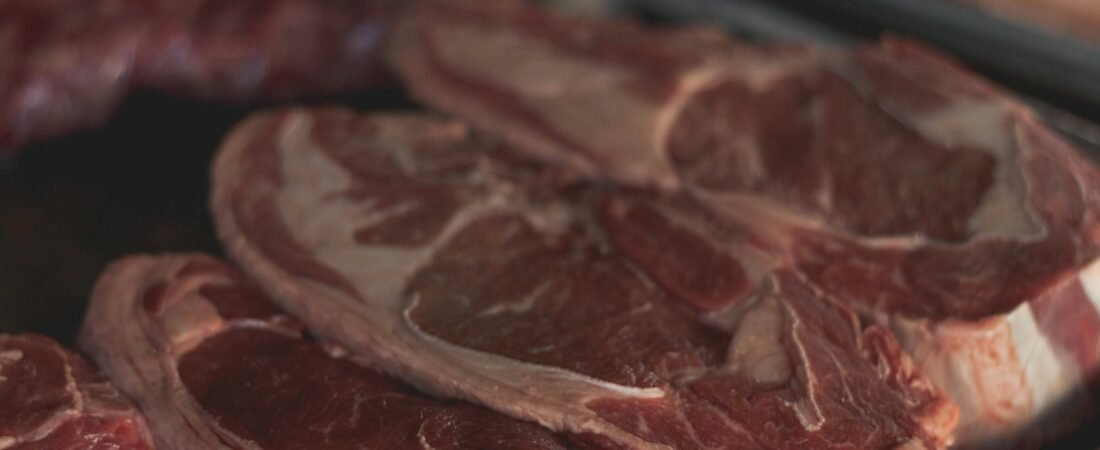
Frozen also pulls ahead for proteins. Properly frozen and vacuum-sealed meat retains quality for months and avoids the “fresh” supermarket counter trap, where what’s labeled as fresh is often previously-frozen-then-thawed product. If you’re going to refreeze it anyway, you may as well start with a good freezer-direct option.
Smart Tools That Close the Fresh-vs-Frozen Gap
Here’s the move that beats both sides of the debate: stop choosing and start using both strategically. The right tools extend fresh produce life and turn freezing into a high-quality preservation method instead of a flavor compromise. These six picks make the fresh vs frozen question pretty much irrelevant.
1. OXO Good Grips GreenSaver Produce Keeper (Large)
★ Best for extending fresh produce shelf life
If your “fresh wins” argument keeps falling apart because lettuce keeps dying in your crisper, this is the fix. The GreenSaver uses an activated carbon filter to absorb ethylene gas — the natural compound that fruits and vegetables release as they ripen. Trap the ethylene, slow the ripening. The science is elegant.
The 5-quart Large size is the sweet spot for most kitchens. It swallows full bunches of celery, kale, scallions, carrots, and zucchini, and the elevated basket prevents the bottom-of-the-bag rot that ruins so much produce. The adjustable vent lets you dial humidity for whatever you’ve stored, and the carbon filter lasts roughly 90 days before needing a refill.
Pros
- Triples the shelf life of leafy greens and bunched produce in real-world use
- Carbon filter is all-natural (made from coconuts)
- Adjustable vent for high or low humidity needs
- Basket doubles as a colander for rinsing
- Dishwasher safe and BPA-free
Cons
- Filter refills are an ongoing (small) cost
- Takes up real estate in the fridge
2. OXO Good Grips GreenSaver Herb Keeper (1.8 Qt)
★ Best for keeping fresh herbs alive past day three
Fresh herbs are the strongest case for fresh winning over frozen — and they’re also the most fragile produce in your fridge. A bunch of cilantro from the supermarket has roughly 72 hours before it’s compost. The Herb Keeper extends that window to 2-3 weeks.
The trick is the cradle-and-water design. You add water to the bottom reservoir, set the basket inside so the stems sit in water (like flowers in a vase), and the lid keeps humidity high without touching the leaves. It’s the same principle restaurants use, packaged into a fridge-friendly container that fits on most shelves or doors.
Pros
- Multiplies fresh herb shelf life by roughly 4x
- Hinged lid opens wide so you don’t crush stems
- Slim profile fits on the door of most fridges
- Same principle works for asparagus and scallions
Cons
- Holds one bunch at a time
- Needs water refilled every few days
3. FoodSaver Multi-Use Vacuum Sealer (4 Settings)
★ Best for turning fresh ingredients into freezer-quality stock
Vacuum sealing is the single biggest upgrade you can make to home freezing. By pulling air out before the freeze, you eliminate the oxygen exposure that causes freezer burn — and that’s the whole reason frozen food gets a bad reputation.
This FoodSaver model combines a heat sealer with a handheld vacuum, which means you can use it for long-term freezer storage and short-term fridge or pantry preservation. The four settings (pulse, marinate, moist, dry) handle everything from delicate baked goods to soaking-wet marinated steaks. Vacuum-sealed meat keeps quality for 2-3 years in the freezer compared to roughly 6 months in a standard freezer bag — that’s the actual gap between “frozen and fine” and “frozen and ruined.”
Pros
- Extends freezer life of meat, fish, and produce by up to 5x
- Built-in roll storage with cutter bar for custom-sized bags
- Marinate setting works in minutes instead of hours
- Sous vide compatible
- Pulse setting protects delicate foods
Cons
- Bigger upfront investment than freezer bags
- Bags and rolls are a recurring cost
- Takes up counter or cabinet space
4. Stasher Reusable Silicone Bags (4-Pack)
★ Best eco-friendly storage that works for both fresh and frozen
If single-use freezer bags feel wasteful (because they kind of are), Stasher solves that with platinum food-grade silicone bags that go from pantry to freezer to oven and back. The 4-pack includes a half gallon, a snack bag, and two sandwich bags — enough variety to handle most fresh-storage and freeze-storage tasks.
The Pinch-Loc seal is genuinely leakproof, not just leak-resistant. You can freeze marinated chicken in one, then defrost it in the same bag without any drama. Each bag replaces around 260 single-use plastic bags per year, and Stasher backs them with a lifetime warranty. That’s rare in this category.
Pros
- Oven-safe up to 425°F (yes, you can bake in them)
- Dishwasher, microwave, freezer, and sous vide safe
- Fully leakproof Pinch-Loc seal
- Lifetime warranty
- BPA, BPS, lead, latex, and phthalate free
Cons
- Higher upfront cost than disposable bags
- Not as space-efficient as flat-packed plastic
- Take longer to dry between uses
5. Souper Cubes 1-Cup Silicone Freezer Trays (with Lids)
★ Best for freezing fresh broths, sauces, and portioned meals
The cult favorite for anyone who batch-cooks. Souper Cubes are silicone trays that freeze food in perfectly portioned 1-cup blocks — soup, stock, leftover marinara, mashed potatoes, smoothie bases, you name it. Pop a frozen cube out of the tray, transfer it to a Stasher bag for long-term storage, and your fresh ingredients keep their flavor for months.
The steel-reinforced rim keeps the trays rigid when full, the fill lines mark exact 1-cup and 250mL portions, and the lid means no freezer-burn ice crusting on top of your stock. Made from platinum food-grade silicone, oven-safe up to 415°F (lid off), and dishwasher safe. Backed by a small family business that’s reviewed in pretty much every food publication for a reason.
Pros
- Perfect-portion freezing every time
- Steel-reinforced rim prevents flopping when filled
- Comes with a lid (sounds basic, weirdly rare in this category)
- Oven safe up to 415°F (lid removed)
- Dishwasher safe
Cons
- Pricier than basic ice cube trays
- Each tray takes up a full freezer shelf width
6. ThawMax Rapid Defrosting Tray
★ Best for safely thawing frozen meat without the microwave
This is the unsung hero of frozen-food cooking. The microwave is the worst way to defrost meat — it partially cooks the edges while leaving the center frozen, ruining texture before the steak even hits the pan. The ThawMax solves the problem with a slab of food-grade aluminum that pulls heat from the air around your frozen food, defrosting twice as fast as a counter without using any electricity, water, or chemicals.
The full silicone border catches drips so your counter stays clean, and the whole tray goes in the dishwasher when you’re done. A frozen chicken breast that takes 4-5 hours to thaw on a regular plate hits room-temperature ready-to-cook in 30-45 minutes on this tray. For anyone cooking from frozen on weeknights, the time savings are real.
Pros
- Cuts thaw time roughly in half
- Uses zero electricity or water
- Silicone border catches drips
- Dishwasher safe
- Doesn’t partially cook food like the microwave does
Cons
- Speed depends on room temperature
- Still slower than microwave defrost (but with much better results)
Quick Comparison Table
If you’re trying to figure out which tools to grab first, here’s the at-a-glance breakdown.
| Tool | Best For | Side | Price Tier |
|---|---|---|---|
| OXO GreenSaver Produce Keeper | Lettuce, kale, carrots, celery | 🥬 Fresh | $$ |
| OXO Herb Keeper | Cilantro, basil, parsley, dill | 🥬 Fresh | $$ |
| FoodSaver Vacuum Sealer | Long-term meat & produce freezing | ❄️ Frozen | $$$ |
| Stasher Silicone Bags | Reusable storage, both fresh & frozen | 🔁 Both | $$ |
| Souper Cubes | Soups, stocks, sauces, batch meals | ❄️ Frozen | $$ |
| ThawMax Defrosting Tray | Safe, fast meat thawing | ❄️ Frozen | $ |
How to Pick: Fresh, Frozen, or Both
The smartest cooks I know don’t pick a side. They keep fresh and frozen working together based on the meal in front of them. Here’s the simple framework.
Use fresh when:
- You’re eating it raw — salads, garnishes, fresh salsas, sandwich toppings.
- Texture is doing the work — cucumber, fresh tomatoes, lettuce, fresh herbs.
- You’ll cook it within 3 days of buying.
- You’re buying in season at peak ripeness from a local source.
Use frozen when:
- You’re cooking it — soups, smoothies, stir-fries, baked dishes.
- You want to skip prep work — pre-chopped onions, riced cauliflower, frozen berries.
- The fresh version is out of season or expensive.
- You’re a “best intentions, worst follow-through” produce buyer (no judgment).
Use both when:
- You batch cook — make a big batch fresh, freeze portions in Souper Cubes for later.
- You want cost savings without quality loss — buy fresh in bulk on sale, vacuum seal half for the freezer.
- You’re meal prepping — fresh for week one, frozen backups for week two.
The real flex isn’t choosing fresh or frozen. It’s having both ready at the right moment. That’s the kind of kitchen organization we cover throughout our other guides — and the right gear (like the durable, leakproof options in our roundup of the best meal prep containers) makes the system actually work.
Frequently Asked Questions
Is frozen food less nutritious than fresh food?
Not in any meaningful way. Most studies show frozen produce holds nutritional value comparable to (and sometimes higher than) fresh produce, especially after fresh produce has spent several days in transit and storage. The biggest variable is how long the fresh produce has been off the plant — not whether it’s been frozen.
How long can you safely freeze fresh meat?
Properly frozen meat stays safe indefinitely (freezing pauses bacterial growth), but quality drops over time. As a rough guide: 6-12 months for most cuts in regular freezer bags, and 2-3 years if vacuum sealed. Beyond those windows the meat is still safe — just expect texture and flavor changes.
Why does my home-frozen produce turn mushy when I thaw it?
Slow freezing forms large ice crystals that puncture cell walls, breaking down the structure of the food. Commercial flash-freezing happens fast enough to keep crystals tiny. To get closer at home, freeze in small portions, spread items in a single layer first (so they freeze faster), and vacuum seal whenever possible.
Does washing produce before freezing help or hurt?
Wash, then dry thoroughly. Excess water on produce becomes ice crystals during freezing, which damages texture when you thaw it. A salad spinner is the fastest way to get produce dry — and yes, we covered whether a salad spinner is actually worth it in a separate review.
Can you refreeze food that’s already been thawed?
For most foods, yes — as long as it was thawed in the fridge (not at room temperature) and hasn’t been sitting longer than 1-2 days. Quality drops with each freeze-thaw cycle, but safety is generally fine when handled properly. Cooked food can be frozen, thawed, and refrozen with much less quality loss than raw food.
What’s the safest way to defrost frozen meat?
Three good options ranked by speed and quality: (1) overnight in the fridge — slowest, best texture, safest; (2) on a defrosting tray on the counter — moderate speed, good quality; (3) in cold water, changed every 30 minutes — fastest among safe methods. Avoid microwave defrosting unless you’re cooking immediately afterward, since it partially cooks the edges. For perfect doneness on the cooking side, pair it with a good meat thermometer to dial in temperature accurately.
The Honest Verdict
So, fresh vs frozen: does it actually matter? The boring-but-correct answer is “sometimes.” It matters when texture and rawness are critical to the dish. It matters less than people claim when the food is going to be cooked. And in pure nutrition terms, the difference is small enough that buying based on convenience, cost, and waste reduction usually beats picking on principle.
The bigger insight: your storage tools matter more than your fresh-or-frozen choice. A bunch of cilantro that survives two weeks in an OXO Herb Keeper outperforms either pick. Vacuum-sealed freezer meat outperforms freezer-burned fresh-then-frozen meat by a wide margin. Stop picking sides. Build a kitchen that handles both well, and you’ll waste less food, save money, and eat better.
Our top three starter picks for closing the fresh-vs-frozen gap: the OXO GreenSaver Produce Keeper for fresh produce that actually lasts, Souper Cubes for portioned freezing of homemade stock and sauces, and Stasher reusable bags for the everyday storage that handles both. Add a FoodSaver vacuum sealer when you’re ready to take freezer storage seriously.
Affiliate Disclosure: YourGourmetGadgets is a participant in the Amazon Services LLC Associates Program, an affiliate advertising program designed to provide a means for sites to earn advertising fees by advertising and linking to Amazon.com. Links marked “Check Price on Amazon” are affiliate links — we may earn a small commission if you purchase, at no additional cost to you. We only recommend products we’d genuinely use or recommend to a friend.
Want more honest gear recommendations and kitchen science breakdowns? Browse our complete library of kitchen guides, dig into our best picks, or read recent product reviews like our take on Amazon’s best-selling kitchen gadgets and whether expensive cutting boards are worth it.

I’m Nick F., the founder and lead tester behind Gourmet Gadgets. I’ve spent the last five years buying, using, and putting kitchen gear through its paces in my own home kitchen — from $20 vegetable choppers to high-end blenders and cast-iron skillets — and I started this site because I got tired of “best of” lists written by people who clearly never opened the box.
Cooking has been part of my daily life for much longer than five years. I’m a self-taught home cook who feeds a family, meal-preps every week, and treats the kitchen like a workshop. That hands-on routine is what shapes every recommendation here: I only write up gear after I’ve actually lived with it long enough to know what breaks, what lasts, and what’s worth your money.
Have a question or a product you’d like me to test? Get in touch via the contact page.