
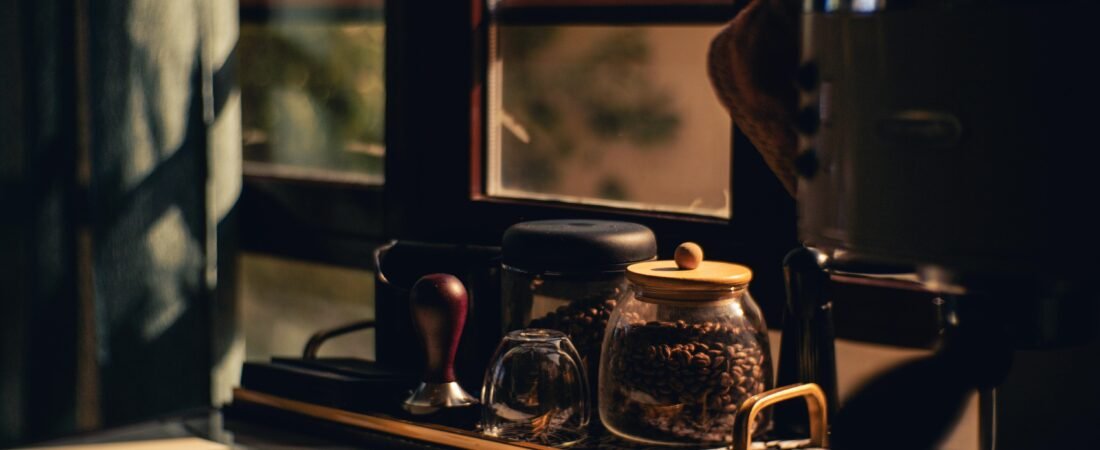
Building the Perfect Coffee Station at Home: 7 Essentials for 2026
⚠️ Affiliate Disclosure: YourGourmetGadgets.com participates in the Amazon Services LLC Associates Program. When you buy through the links below, we earn a small commission at no extra cost to you. All product picks are based on publicly available information and our own research, with brewing guidance informed by the Specialty Coffee Association.
Picture this: it’s 7 a.m., the kettle clicks off, and everything you need sits within arm’s reach — beans, mugs, frother, the whole lineup. That’s what building the perfect coffee station at home actually delivers. Not a magazine spread, not a $5,000 espresso bar — just a tidy corner of your counter that turns “I need caffeine” into a 90-second ritual you genuinely look forward to.
So how do you get there without burning a paycheck? Truthfully, the answer comes down to seven well-chosen pieces and a little planning. We’ve pulled the gear that earns its spot on a real countertop — stuff that performs, looks good, and plays nicely with the rest of your kitchen.
Why a Dedicated Coffee Station Beats Winging It
Most home setups fall apart at the same spot — the beans live in one cupboard, the frother in another, the scale in a drawer two feet away. Brewing becomes a scavenger hunt. A station fixes that by giving every tool a fixed home, which sounds boring but quietly saves you 5 minutes every morning. Multiply that by 365 mornings and the math gets interesting.
There’s a quality angle too. When your gear sits out and visible, you actually use it. That nice grinder doesn’t gather dust in a cabinet, the gooseneck kettle stops being a “special occasion” item, and you start dialing in your brew because the friction is gone.
Worth noting: this guide focuses on the station — the appliances, storage, and accessories that build the corner. If you want a deep dive on dialing in flavor (grind size, water, ratios), our companion piece on how to make coffee taste better at home covers exactly that.
Plan Your Space Before You Buy Anything
Before pulling the trigger on a single product, measure. Grab a tape measure and check three things: the depth of your counter, the height clearance under any cabinets, and the distance to your nearest outlet. Most espresso machines run 8–13 inches deep and need 14+ inches of vertical space. A pour-over kettle is short but wide. Storage organizers eat counter real estate fast.
Once you know what you’re working with, pick a “zone.” A station works best when it’s contained — usually a 24- to 36-inch stretch of counter, ideally near a sink for refills and rinses. That’s the foundation. Now we can talk gear.
7 Essentials for the Perfect Coffee Station at Home
These are the seven pieces we’d put in a friend’s kitchen if they asked us to help build the perfect coffee station at home. Each one earns its real estate. Skip what doesn’t fit your routine — if you don’t drink lattes, the frother stays on the shelf.
1. Covzoe Bamboo Coffee Bar Organizer with Drawer
Every great coffee station at home starts with a frame. The Covzoe organizer gives you that — a bamboo two-tier base with a pull-out drawer that hides pods, sugar packets, and stirrers while keeping your daily mug, beans, and tools out front. It needs no assembly, weighs almost nothing, and the natural wood tone reads “intentional” rather than “Amazon haul.”
Why It Anchors the Station
Bare counter? Looks chaotic. Add this organizer and suddenly your coffee corner has a footprint. The 5 compartments plus drawer absorb the small clutter — the stuff you never know where to put — so the rest of your gear has clean lines around it.
- Real bamboo, not laminate
- No assembly — out of the box, in place
- Drawer hides the visual clutter
- Compact 13″ footprint
- Top tier won’t fit very tall canisters
- Bamboo needs a wipe-down, not a soak
2. Breville Bambino Plus Espresso Machine
If you’ve ever priced a “real” espresso machine, the Bambino Plus feels suspicious — too small, too affordable, too easy. Then you pull a shot. The ThermoJet system hits brew temp in 3 seconds, the auto-frothing wand handles the milk while you grab a mug, and the whole thing fits in a 7.7-inch slot of counter. Honestly, it’s the most station-friendly espresso machine on the market.
Why It Works for a Home Station
Big machines look impressive but kill flexibility. The Bambino Plus pulls cafe-grade shots without dominating the corner. Plus, the auto-microfoam wand means you don’t have to learn steaming technique to make a flat white that doesn’t embarrass you.
- Heats in 3 seconds — actually 3 seconds
- Hands-free milk steaming with texture control
- Compact 7.7″ wide footprint
- 54mm portafilter, real cafe spec
- No built-in grinder (pair with a burr grinder)
- Plastic body in some spots
3. OXO Brew 9-Cup Coffee Maker (SCA Certified)
Espresso is a treat. Drip is the workhorse. The OXO Brew 9-Cup is one of only a handful of drip machines certified by the Specialty Coffee Association, which means it actually hits the 197.6–204.8°F sweet spot every brew — not “close enough” like budget makers. Add a thermal carafe that keeps the second pot piping for 90 minutes and you’ve got the cornerstone of any coffee station at home.
Why It Earns Counter Space
Cheap drip machines waste your good beans. This one rewards them. The rainmaker showerhead saturates grounds evenly, the brew cycle blooms the coffee like a pour-over, and the programmable timer means it’s ready when your alarm goes off.
- SCA-certified brew temperature
- Thermal carafe (no scorched, hour-old coffee)
- Brews 2–9 cups on demand
- Single-dial interface, no menu diving
- Needs descaling every couple months
- Larger footprint than entry-level drips
4. Nespresso Aeroccino 4 Milk Frother
Sometimes you don’t want to wrestle with a steam wand. The Aeroccino 4 froths hot or cold milk with one button — airy foam for cappuccinos, dense foam for flat whites, or just hot milk. It’s whisper-quiet, takes about 80 seconds, and the new version is dishwasher safe so you stop using it as a guilt trigger.
Why It Belongs on the Station
Once you can make cafe-style milk drinks at home, the math on $7 lattes gets ugly fast. Even better, if you also use a drip brewer or pour-over, this is the only piece that turns plain coffee into a proper cappuccino without buying a full espresso machine.
- Hot foam, cold foam, hot milk — all push-button
- Quiet enough for early mornings
- Dishwasher safe (the v3 wasn’t)
- Compact, looks at home next to any brewer
- Premium price for what it does
- Single batch capacity (~8 oz max)
5. Mr. Coffee Mug Warmer
Ten dollars. Twenty-five thousand reviews. There’s a reason this thing has lived on Amazon’s bestseller list for a decade — it solves the slow-sipper problem without electronics, apps, or fuss. Plug it in, plop your mug on top, sip whenever you want. Your last mouthful tastes like the first.
Why Every Station Needs One
Reheating coffee in the microwave wrecks the flavor. A warmer keeps it at drinking temp instead of cooking it. Granted, it’s not glamorous gear — yet for the price, it’s the highest-impact add-on you can drop on the station.
- Cheaper than two coffee shop drinks
- Tiny footprint — fits anywhere
- Wipes clean in seconds
- Indicator light so you don’t forget it’s on
- No auto shut-off (manual only)
- Won’t reheat cold coffee, only maintains
6. Coffee Gator 16oz Stainless Steel Canister
Beans go stale fast — like, two-weeks fast. The Coffee Gator canister fights that with a CO2 release valve (lets gas out, keeps oxygen out) and a calendar wheel on the lid so you actually know when your roast date was. Holds about 16 oz of whole beans, which is exactly the size most specialty bags ship in.
Why It Wins Over a Mason Jar
Mason jars look cute, yet they let oxygen in every time you open them. Stainless steel blocks light, the gasket seals airtight, and the date wheel saves you from drinking month-old beans. Your $18 specialty bag deserves better than a glass jar from the dollar store.
- Real CO2 valve (not just a “tight lid”)
- Built-in date tracker on the lid
- Comes with a measuring scoop
- Stainless steel, won’t absorb odors
- Can’t see beans inside (no window)
- Lid takes practice to open one-handed
7. Hario V60 Ceramic Pour Over Coffee Set
Drip and espresso cover most mornings, but weekends call for something slower. The Hario V60 set bundles everything you need for proper pour-over — ceramic dripper (size 02), glass server, scoop, and 100 paper filters — for less than the price of a single bag of cafe beans. The clean cup it produces highlights flavors that drip can’t extract.
Why a Manual Brewer Completes the Setup
Plug-in machines do a job; pour-over is a small ritual. Once you’ve got the rest of the station dialed, the V60 turns Saturday morning into something a little more deliberate. Plus, the glass server doubles as a presentation piece when guests are over.
- Complete kit — nothing else to buy
- Genuine Arita-yaki ceramic, not a knockoff
- Cleanest cup of any brew method
- Looks beautiful on display
- Takes 3–4 minutes of active attention
- Best paired with a gooseneck kettle (sold separately)
Quick Comparison Table
| Product | Best For | Footprint | Price Tier |
|---|---|---|---|
| Covzoe Bamboo Organizer | Anchoring the station | Compact (13″) | $ |
| Breville Bambino Plus | Daily espresso & lattes | Small (7.7″ wide) | $$$ |
| OXO Brew 9-Cup | Drip for the household | Medium | $$ |
| Nespresso Aeroccino 4 | Push-button microfoam | Tiny | $$ |
| Mr. Coffee Mug Warmer | Slow sippers | Mug-sized | $ |
| Coffee Gator 16oz Canister | Bean freshness | Tiny | $ |
| Hario V60 Pour Over Set | Weekend ritual brews | Compact | $$ |
How to Arrange Your Perfect Coffee Station at Home
Layout matters more than people realize. A well-arranged station follows the order of use, left to right (or right to left if you’re left-handed). Beans first, then grinder, then brewer, then frother, then mugs. That flow turns your morning into muscle memory.
Stash the small stuff — pods, sugar, stirrers, spare filters — in the organizer’s drawer. Keep the things you use every single day on top: canister, scoop, daily mug. Tools you reach for less often (the V60, extra filter packs) go on the second tier or in a nearby cabinet. The goal is fewer than three motions between waking up and a finished cup.
One more layout tip: leave a 4-inch buffer between heat sources and bamboo or wood surfaces. The Bambino Plus runs warm, and direct heat will dry out wood over time. A small ceramic tile or silicone mat under the espresso machine fixes it.
Keep It Clean, Keep It Working
A coffee station only stays great if you maintain it. Here’s the short version: rinse the brewer’s basket and carafe daily, wipe the bamboo organizer weekly, descale the espresso machine and drip brewer monthly, and replace your bean canister’s CO2 valve filter every 6–12 months. None of this takes more than two minutes, but skipping it is how good gear turns into expensive clutter.
Stainless surfaces hate hard water, so dry them after rinsing. Bamboo hates soaking — wipe with a damp cloth and dry immediately. The frother whisk pops off; soak it for 30 seconds in warm soapy water if milk dries on. Easy stuff, but worth a calendar reminder until it becomes routine.
Frequently Asked Questions
How much does it cost to build the perfect coffee station at home?
You can build a respectable coffee station at home for under $250 by skipping the espresso machine and pairing the OXO Brew with the canister, organizer, and frother. Adding the Bambino Plus pushes the total to roughly $700 — still less than two months of daily cafe drinks.
Do I need both a drip coffee maker and an espresso machine?
Honestly, no — pick the one that matches your habit. If you drink one or two cups in the morning and don’t care about milk drinks, drip is enough. If you want lattes, cappuccinos, or shots on demand, espresso wins. Some people own both because their household drinks differently; most don’t need to.
What’s the smallest coffee station I can build?
An 18-inch wide stretch of counter handles a minimal setup: drip brewer, canister, mug warmer, and organizer. Skip the espresso machine and pour-over kit if you’re tight on space. The frother is small enough to live in a drawer when not in use.
How often should I replace my coffee gear?
Quality drip and espresso machines last 5–10 years with proper descaling. Frothers tend to be the first to go (3–5 years). Stainless canisters last forever — the only consumable is the CO2 valve filter, which you replace once or twice a year. Ceramic drippers like the V60 are essentially permanent unless you drop them.
Can I add a grinder later?
Yes, and you should. A burr grinder is the single biggest flavor upgrade in any coffee setup — bigger than upgrading the brewer. We cover the why and which models deliver in our guide on how to make coffee taste better at home.
Related Reading on YourGourmetGadgets
- How to Make Coffee Taste Better at Home — the flavor-side companion to this station guide
- Best Blender for Smoothies: 7 Quiet + Powerful Picks (2026) — round out your morning lineup
- Everything You Need to Start Cooking at Home (2026 Kitchen Starter Kit) — for new kitchens
- Kitchen Organization Products That Actually Work (2026) — extend the tidy-counter ethos
- Best Toasters on Amazon 2026: Top 6 Picks — the breakfast bar’s other half
The Bottom Line
Building the perfect coffee station at home isn’t about chasing the most expensive gear — it’s about putting the right seven pieces in the right corner of your kitchen. Start with the organizer and one brewer. Add the canister and frother. Layer in the mug warmer and pour-over kit when you’re ready. Six months from now, your morning routine will feel like a small luxury you actually own.
By YourGourmetGadgets Team · Updated April 2026 · This post contains Amazon affiliate links. We may earn a commission on qualifying purchases at no extra cost to you.

I’m Nick F., the founder and lead tester behind Gourmet Gadgets. I’ve spent the last five years buying, using, and putting kitchen gear through its paces in my own home kitchen — from $20 vegetable choppers to high-end blenders and cast-iron skillets — and I started this site because I got tired of “best of” lists written by people who clearly never opened the box.
Cooking has been part of my daily life for much longer than five years. I’m a self-taught home cook who feeds a family, meal-preps every week, and treats the kitchen like a workshop. That hands-on routine is what shapes every recommendation here: I only write up gear after I’ve actually lived with it long enough to know what breaks, what lasts, and what’s worth your money.
Have a question or a product you’d like me to test? Get in touch via the contact page.