
⚠️ Affiliate Disclosure: YourGourmetGadgets.com is a participant in the Amazon Services LLC Associates Program. We earn from qualifying purchases at no extra cost to you. We only recommend tools we’d actually use in our own kitchens.
Half the produce in the average fridge gets tossed before anyone takes a bite of it. That’s not a guess — it’s roughly what the USDA reports for U.S. households every year. So if you’ve ever opened the crisper drawer and found a sad, slimy bag of spinach staring back, you’re not alone, and you’re definitely not doing anything wrong.
The fix isn’t a stricter shopping list or a meal-prep guilt trip. It’s the right gear. Below, you’ll find seven tools that genuinely change how long food stays edible — from a vacuum sealer that buys leftovers an extra month to a $7 thermometer that exposes the real reason your milk keeps spoiling early. Every pick was chosen for actual home-kitchen value, and each one earns its space on the counter or in the drawer.
By the end, you’ll know exactly how to make food last longer without overhauling your routine, your fridge, or your budget.
Why Food Spoils Faster Than It Should (And Why Most Fridges Don’t Help)
Three culprits do most of the damage: air, moisture, and temperature swings. Air oxidizes fats and accelerates bacterial growth. Excess moisture turns berries into mush in 48 hours. And a fridge that drifts above 40°F — which happens more often than people realize — cuts the safe storage window of dairy and meat almost in half.
So the trick isn’t buying less food. It’s controlling those three variables at the point of storage. Each tool below targets at least one of them, and a few hit all three at once.
The Quick Wins Before You Buy Anything
Before spending a dollar, try these:
- Don’t wash berries until you eat them — moisture speeds mold.
- Store herbs upright in a glass of water, like cut flowers.
- Keep onions and potatoes in separate drawers — onions release gases that sprout potatoes.
- Wrap leafy greens in a dry paper towel inside their container.
Now, on to the gear.
Quick Comparison: 7 Tools to Make Food Last Longer
| Tool | Best For | Extends Freshness | Price Range |
|---|---|---|---|
| FoodSaver VS0150 Vacuum Sealer | Meats, bulk buys, freezer prep | Up to 5x longer | $$$ |
| Rubbermaid Brilliance Glass | Leftovers, prep, fridge storage | 2–3x longer | $$ |
| Stasher Silicone Bags | Snacks, sous vide, freezer | 2x longer | $$ |
| OXO POP Containers | Flour, cereal, pasta, coffee | 3–6 months extra | $$ |
| Bee’s Wrap Beeswax | Cheese, half-onions, bowls | 2–3x vs. plastic wrap | $ |
| Rubbermaid FreshWorks | Berries, greens, asparagus | Up to 80% longer | $$ |
| Taylor Fridge Thermometer | Diagnosing the real problem | Catches silent spoilers | $ |
1. FoodSaver VS0150 PowerVac — The Heavy Lifter
If you buy meat in bulk, hunt, fish, or just hate watching $20 worth of chicken thighs turn into freezer-burn jerky, a vacuum sealer is the single biggest upgrade you can make. The FoodSaver VS0150 PowerVac stands vertically to save counter space, and it pulls air out fast enough to handle a week’s worth of prep without overheating.
The two-mode setup (Moist and Dry) sounds like marketing, but it actually matters. Wet foods like marinated chicken behave differently than dry foods like nuts or coffee, and getting the right setting prevents the bag from sucking liquid into the seal — which is the most common reason cheap sealers fail.
- Vertical design saves space
- 35% less bag waste than older models
- Works with any FoodSaver bag or roll
- Sous vide compatible
- Bags are an ongoing cost
- No built-in roll cutter
- Latch takes some pressure
Want a deeper dive on whether sealers earn their spot? Read our full breakdown: Vacuum Sealers: Are They Worth It?
2. Rubbermaid Brilliance Glass Storage Set — Leftovers That Actually Survive Wednesday
Plastic containers warp, stain, and let smells leach in. Glass doesn’t. The Rubbermaid Brilliance set has snap-latch lids with a true airtight seal, which means tomato sauce stays red, garlic stays where you put it, and reheating happens straight in the same dish.
What sets these apart from generic glass containers is the lid vent. Pop the latches up and the lid stays on while microwaving — no cling-wrap-on-top workaround, no splatter to wipe off the ceiling of the microwave later. The bases are also oven-safe up to 450°F, so a Sunday casserole goes from oven to fridge to reheat in one dish.
- 100% airtight & leak-proof
- Oven, microwave, dishwasher safe
- Stain- and odor-resistant lids
- Stack cleanly in the fridge
- Heavier than plastic
- Latches can crack if dropped
- Mid-range price for the set
For more options including plastic and bento-style picks, see our guide to the Best Meal Prep Containers.
3. Stasher Reusable Silicone Bags — The Ziploc Replacement
Stasher bags do something most people don’t expect — they actually seal better than zip-top plastic. The Pinch-Loc closure runs the full length of the opening, so liquids don’t leak and air stays out. Pair that with platinum-grade silicone, and you get a bag that’s safe in the freezer, microwave, oven (up to 425°F), and dishwasher.
The 4-pack here covers most household needs: a half-gallon bag for frozen soup or batch-cooked grains, two sandwich bags for school lunches or cut fruit, and a snack bag for nuts and trail mix. Once you switch, the average household stops buying disposable bags entirely.
- Pays for itself in months
- Sous vide and oven safe
- Seal holds liquids reliably
- Lifetime warranty
- Higher upfront cost
- Can hold odors if not dried fully
- Doesn’t stand upright easily
4. OXO Good Grips POP Containers — Pantry Staples, Six Months Fresher
Pantry food spoils slowly, then suddenly. Flour goes rancid, cereal goes stale, coffee loses its aroma in two weeks once the bag’s open. The OXO POP system fixes that with a one-button push-down lid that creates an airtight seal — and the same button doubles as a handle to pop it back open.
Once you transfer flour, sugar, oats, pasta, rice, coffee, and snacks into POP containers, the difference shows up fast. Pantry moths (yes, they’re real, and yes, they’re already in most homes) lose access to grain. Coffee stays bloomable. And because the containers stack in clean modular shapes, the pantry suddenly fits more, not less.
- Truly airtight push-button seal
- Modular sizes stack perfectly
- Top-rack dishwasher safe
- Set covers most pantry staples
- Price climbs with bigger sets
- Don’t carry by the lid
- Plastic, not glass
Pair them with the right racks and lazy susans — see our roundup of Kitchen Organization Products That Actually Work.
5. Bee’s Wrap Beeswax Wraps — The Plastic-Wrap Killer
Plastic wrap suffocates food. Beeswax wraps do the opposite — they breathe just enough to keep cheese from sweating, half-onions from going slimy, and bowls of leftovers covered without the static-charge frustration of cling film. The warmth of your hand softens the wrap so it molds around whatever you’re storing, then cools into a snug seal.
One pack lasts about a year with regular use, then composts. Made from organic cotton, beeswax, plant oil, and tree resin, they’re the rare eco-swap that genuinely outperforms what they replace. The 3-pack here gives you a small (lemon halves), medium (sandwich, cheese wedge), and large (bowl cover, cabbage half).
- Better than plastic for cheese
- Compostable at end of life
- Made in USA, organic materials
- Reusable for ~12 months
- Not for raw meat
- Hand-wash only with cool water
- Loses grip after a year
6. Rubbermaid FreshWorks Produce Saver — Berries That Last All Week
Berries are the test case. Buy a $5 carton of strawberries, watch a third turn moldy by Thursday, and you’ve felt the produce-loss tax firsthand. FreshWorks containers tackle it with two design tricks: a built-in vent filter that regulates how oxygen and CO₂ move in and out, and an elevated CrispTray that lifts produce away from condensation.
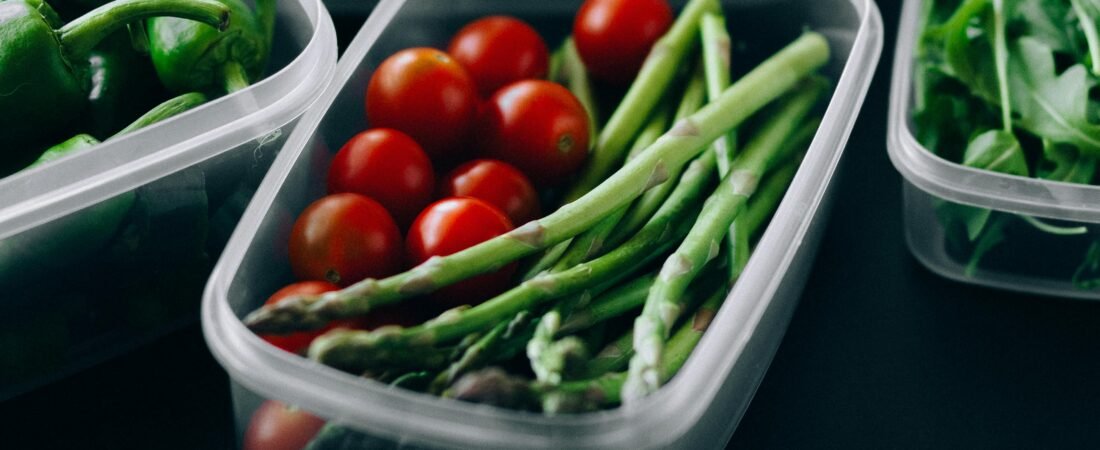
Tested against store packaging, Rubbermaid’s lab data shows up to 80% longer freshness for strawberries — and real-world results back it up for spinach, raspberries, asparagus, and grapes too. The 8-piece set covers a typical produce haul, and the filter never needs replacing.
- Up to 80% longer berry freshness
- Filter never needs replacing
- Stackable, dishwasher safe
- Bases nest when empty
- One produce type per container
- Plastic, not glass
- Best results require storing unwashed
7. Taylor 5924 Fridge & Freezer Thermometer — The $7 Diagnostic Tool
Here’s the secret most spoilage articles skip: your fridge probably runs warmer than it claims. Built-in displays are notoriously inaccurate, and door storage can climb past 45°F every time someone reaches for the milk. The FDA recommends 40°F or below for the fridge and 0°F or below for the freezer, and a $7 dial thermometer tells you within 60 seconds whether you’re hitting those targets.
The Taylor 5924’s three-inch dial reads at a glance. Color-coded zones for “Freezer,” “Refrigerator,” and “Danger” make calibration brain-dead simple. Hang it from a shelf, check it once a week, and adjust the dial inside the fridge until you’re consistently at 37°F. That single fix has been known to double the shelf life of dairy and deli meats.
- Cheapest fix on this list
- No batteries needed
- NSF-certified accuracy
- Color-coded safe zones
- Analog only — no logging
- Hand-wash only
- Single unit, not dual-zone
How to Build a Food-Lasting System (Not Just a Pile of Gadgets)
Buying all seven tools at once is overkill. Stack them in this order, based on what your kitchen wastes most:
- Start with the thermometer. If your fridge runs warm, no other tool can compensate.
- Add glass containers. Leftover loss is the #1 killer in most homes.
- Get the produce saver if you eat berries or greens weekly.
- Move pantry staples into POP containers if you bake or buy bulk.
- Layer in Stasher bags and beeswax wraps as you phase out plastic.
- Save the vacuum sealer for last — it’s the biggest jump in capability, but only if you bulk-buy meat or batch-cook.
The point isn’t to own more stuff. It’s to stop throwing food away. A solid system pays for itself in roughly 60 to 90 days for most households.
If you’re trying to simplify rather than expand, check out our 5-Tool Meal Prep System and Are Expensive Cutting Boards Worth It? for more lean-kitchen guidance.
Frequently Asked Questions
What’s the single best tool to make food last longer?
Honestly, it depends on what you waste. For most homes, glass airtight containers move the needle hardest because leftovers account for the biggest food loss. But if your fridge runs warm, a $7 thermometer beats every container on the list — because no storage tool fixes a 45°F fridge.
Do vacuum sealers really make food last 5x longer?
For freezer storage, yes — vacuum-sealed meat can stay freezer-burn-free for up to 2–3 years vs. 4–6 months in a standard zip-top bag. Refrigerated foods see smaller (but still real) gains, typically 2–3x longer than loosely covered storage.
Are silicone bags safer than plastic?
Platinum-grade silicone, like Stasher uses, is BPA-free, phthalate-free, and doesn’t leach into food the way some plastics can when heated. Plus they’re rated up to 425°F in the oven, which no zip-top plastic bag can claim.
How cold should my fridge actually be?
The FDA recommends 40°F or below for the refrigerator and 0°F or below for the freezer. Sweet spot for most homes: 37°F in the fridge, –2°F in the freezer. A cheap thermometer tells you whether you’re there.
Can I freeze food in glass containers?
Yes — Rubbermaid Brilliance glass is freezer-safe. Leave a little headspace because liquids expand, and let frozen contents thaw partially before microwaving to avoid thermal shock.
How long do beeswax wraps actually last?
About a year with regular use and proper care (cool water, mild soap, air dry). Once they lose their stickiness, they compost — so the lifecycle is genuinely zero-waste, unlike silicone or plastic.
Final Word
Knowing how to make food last longer comes down to one principle: control air, moisture, and temperature at every step from grocery bag to plate. Each of these seven tools attacks at least one of those variables, and the combination cuts household food waste by a meaningful margin — usually enough to recover the cost of every tool on this list within a few months.
Pick the one that targets your biggest weak spot first. The rest can wait.
Last updated: April 2026 · By the YourGourmetGadgets Team · Prices and availability change frequently — verify on Amazon before purchasing.

I’m Nick F., the founder and lead tester behind Gourmet Gadgets. I’ve spent the last five years buying, using, and putting kitchen gear through its paces in my own home kitchen — from $20 vegetable choppers to high-end blenders and cast-iron skillets — and I started this site because I got tired of “best of” lists written by people who clearly never opened the box.
Cooking has been part of my daily life for much longer than five years. I’m a self-taught home cook who feeds a family, meal-preps every week, and treats the kitchen like a workshop. That hands-on routine is what shapes every recommendation here: I only write up gear after I’ve actually lived with it long enough to know what breaks, what lasts, and what’s worth your money.
Have a question or a product you’d like me to test? Get in touch via the contact page.